
Timing Your Landscaping Efforts for Maximum Impact
Mulching can transform your garden by improving soil health and reducing weeds. However, timing is crucial to ensure you get the best results from this practice. When done right, it protects plants and enhances growth throughout different seasons. Understanding when and how to apply your mulch makes a significant difference in its effectiveness. Read on to discover key timing tips to optimize your mulching efforts.
The Benefits of Proper Seasonal Application
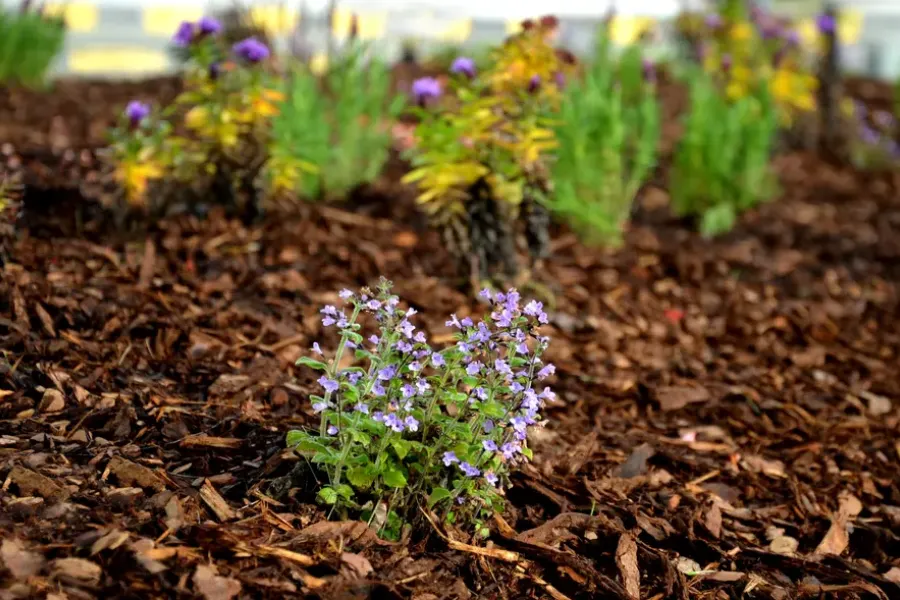
Applying mulch at the right time offers several benefits. It insulates the soil during cold months and helps retain moisture during hot spells. This keeps the ground temperature consistent, which promotes healthy root growth. Additionally, well-timed application reduces weed growth and minimizes erosion, which leads to healthier plants overall.
Spring: the Ideal Time to Start
Spring is often considered the best time to apply mulch. The soil warms up faster without a thick cover, making it perfect for new plantings. Once temperatures stabilize, adding a layer of mulch helps retain moisture from spring rains. This not only conserves water but also gives young plants a better start by keeping roots cool as temperatures rise.
Maintaining Moisture During Summer
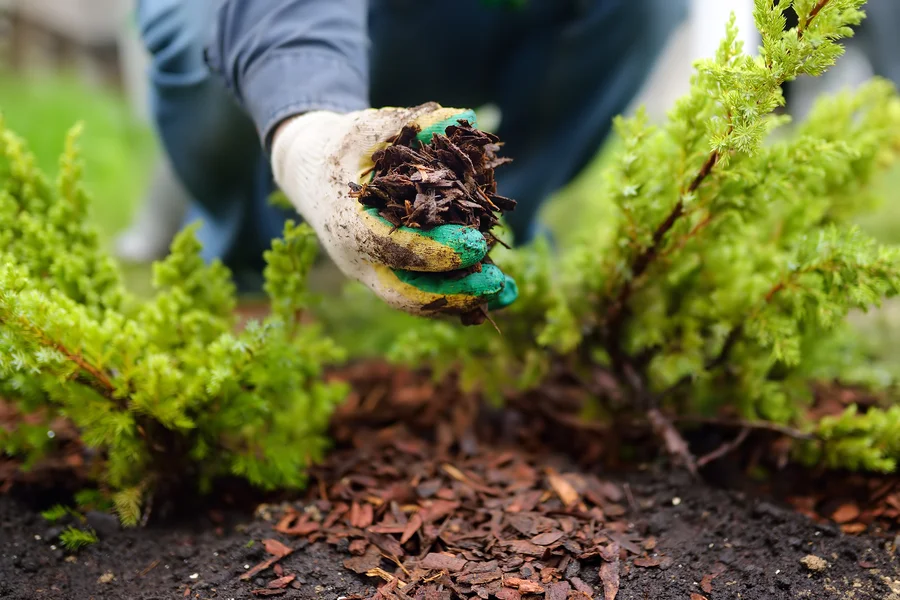
Summer brings heat that can cause rapid moisture loss in soil. Applying mulch early in the season helps conserve water, reducing the frequency of watering needed. This creates an optimal environment for plant growth while saving you time and resources. It’s important to check the condition of your mulch regularly and add more if necessary to maintain effectiveness.
Preparing for Fall Challenges
As fall approaches, it’s crucial to prepare your garden for cooler weather. Adding mulch in late summer or early fall acts as an insulating blanket over plant roots. This prepares them for fluctuating temperatures and provides protection against frost heaves. Choose organic materials like shredded leaves or straw that break down slowly over winter, enriching the soil gradually.
Winter Protection Strategies
Winter presents challenges such as frozen ground and harsh winds. Mulch serves as a barrier that locks in warmth and prevents frost damage. You should wait until the first hard freeze before applying, ensuring rodents do not nest underneath a thick layer. By doing so, you’ll safeguard your plants through the colder months.
Choosing the Right Material for Each Season
Your choice of mulch material can impact its effectiveness throughout the year. Organic options like wood chips and compost work well in most climates. They enrich the soil as they decompose. Inorganic choices like landscape fabric can be beneficial for areas where long-term weed control is essential. Selecting the appropriate material ensures your mulching supports plant health year-round.
- Ensure regular maintenance
- Choose quality materials
- Work with experts
Cost Considerations and Budgeting Tips
The cost of mulching depends on the size of your garden and the type of material used. While initial costs may seem high, investing in quality mulch pays off through improved plant health and reduced maintenance needs. Look for local suppliers who offer sustainable products at competitive rates for the best value.
Get Started With Effective Mulch Techniques
Ready to enhance your landscaping efforts? Contact us at (360) 552-0657 for expert advice tailored to your region’s climate conditions. Our team at EA Aguilar Landscaping has years of experience providing effective solutions that meet individual needs. Located in Bremerton, WA, we are committed to helping you achieve a thriving garden all year round.